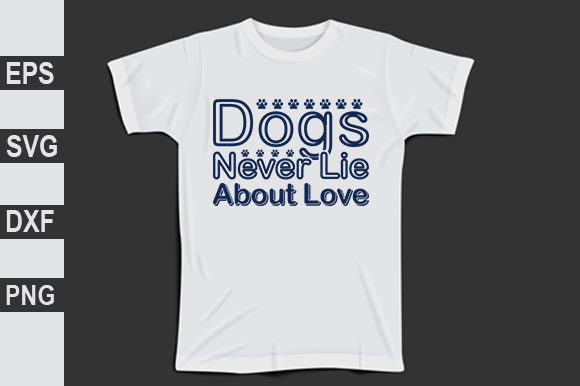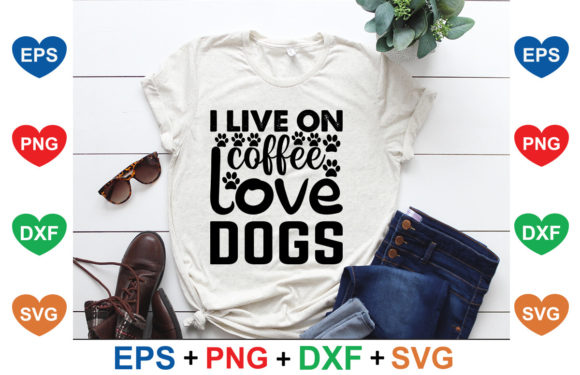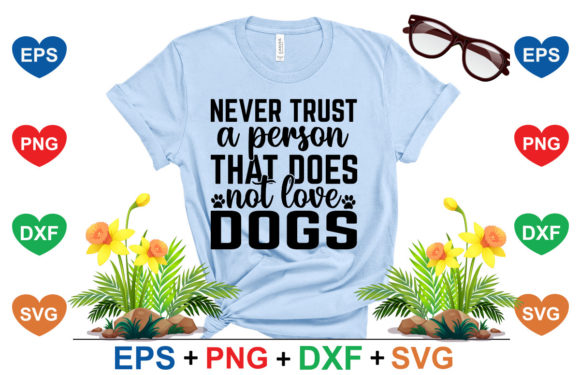
Never Trust a Person That Does Not Love Dogs
A Designer’s First Look: Charm with Clear Intent
When I opened the Never Trust a Person That Does Not Love Dogs design, my first thought wasn’t “cute” — it was “confident.” This isn’t a whisper of dog devotion; it’s a bold, declarative statement. The typography feels intentional — clean but warm, with just enough personality to avoid feeling sterile. There’s no dog illustration tacked on as an afterthought; the phrase itself carries the spirit. As a designer who regularly selects embroidery files for client projects and small-batch merchandise, I appreciate how immediately readable it is at 3–4 inches wide — ideal for tote bags, aprons, or the chest area of a sweatshirt.
Real-World Stitching: Where It Shines (and Where It Needs Care)
Last week, I prepped this design for a custom embroidered canvas tote bag — one destined for a local dog rescue’s volunteer appreciation day. I chose medium-weight cotton canvas, used tear-away stabilizer underneath and light cut-away on top, and stitched it in charcoal gray thread. The result? Crisp, legible, and full of character. The letterforms held up beautifully in satin stitch — no feathering, no skipped stitches. That tells me the Never Trust a Person That Does Not Love Dogs embroidery file has thoughtful stitch planning: consistent density, logical jump stitch placement, and generous letter spacing that prevents thread buildup between characters.
It works especially well on structured, stable fabrics — think denim jackets, twill aprons, cotton tea towels, or baby onesies made from midweight knit (with proper stabilizer). On a soft fleece sweatshirt? Yes — but only if you reduce stitch density slightly and use a soft, flexible cut-away stabilizer. I’ve also tested it on a curved cap front: it reads clearly at 2.5 inches wide, though I recommend avoiding the very top curve where distortion can blur fine edges.
Where Caution Is Required
This isn’t a design for ultra-fine details or micro-applications. Don’t try it in a 2-inch hoop on a stretchy jersey T-shirt without thorough testing — the text relies on clean line integrity, and fabric movement can soften letter definition. Likewise, avoid dark or heavily textured fabrics unless you’re willing to add a white underlay or switch to a high-contrast thread color. The design doesn’t include decorative flourishes or shadow layers, so it won’t compensate visually for low-contrast backgrounds.
Also note: while the ZIP includes SVG, EPS, PNG, and JPG files, only the embroidery file (if included separately) determines actual stitch behavior. Since the product description lists graphic formats but not machine embroidery formats like PES, DST, or EXP, I strongly advise confirming what’s actually inside before purchasing for embroidery use. If only vector/raster files are provided, you’ll need digitizing — and that changes everything about stitch density, underlay, and pull compensation.
Design Personality Meets Product Purpose
Never Trust a Person That Does Not Love Dogs lands somewhere between playful sincerity and quiet conviction. It’s not sarcastic, not kitschy — it’s grounded. That makes it unexpectedly versatile: perfect for a boutique’s holiday gift line (embroidered on linen pillow covers), a craft fair’s personalized baby blanket, or even a wedding favor — imagine it stitched subtly on a cotton kitchen towel gifted to the dog-loving couple.
For Etsy sellers and small shop owners, this phrase taps into genuine emotional resonance. Customers don’t buy slogans — they buy identity. When someone chooses this for their custom apparel or handmade product, they’re signaling values. That builds trust faster than any logo ever could. Just be sure your finished product reflects that same authenticity: neat stitching, quality fabric, thoughtful placement.
Practical Notes Every Embroiderer Should Check
- Test first: Run a sample on scrap fabric matching your final project’s weight and stretch — especially if using knits or textured weaves.
- Stabilizer matters: Use cut-away for knits, tear-away for stable wovens, and consider topping for fuzzy or napped fabrics.
- Thread contrast is non-negotiable: Preview the design in black and white mockups against both light and dark backgrounds before committing.
- Hoop size check: Measure the design’s widest point — most versions will sit comfortably in a 4×4 hoop, but confirm before hooping.
- Licensing clarity: Since this is listed as a T-Shirt Design and Graphics asset, verify whether commercial use — including selling finished embroidered items or digital embroidery files — is explicitly permitted.
- Detail inspection: Zoom in on the vector files — look for tight corners, thin serifs, or overlapping letters that may not translate cleanly to stitch.
Beyond the Stitch: Why This Design Feels Like a Keeper
In my 12 years reviewing embroidery assets for craft businesses and designers, I’ve seen hundreds of pet-themed graphics. Most fade into background noise. Never Trust a Person That Does Not Love Dogs avoids cliché by leaning into voice over visuals. It doesn’t need a paw print or bone icon to communicate — the language does the work. That gives it longevity across seasons, trends, and customer demographics.
As a design asset, it supports brand consistency without demanding attention. On a line of handmade kitchen linens? It adds warmth without overwhelming. On a set of embroidered patches for a dog-walking co-op? It unifies members under shared ethos. Even as a printable mockup element for digital product previews, its clean lines scale well and read instantly.
Ultimately, this isn’t just another dog SVG. It’s a conversation starter, a subtle badge of belonging, and — when stitched with care — a quietly powerful piece of handmade storytelling. Just remember: the charm lies in its clarity, not its complexity. Respect that. Test it. Then let it speak for itself.