Happy New Year Year of the Dog
A Designer’s First Look: Charm with Quiet Confidence
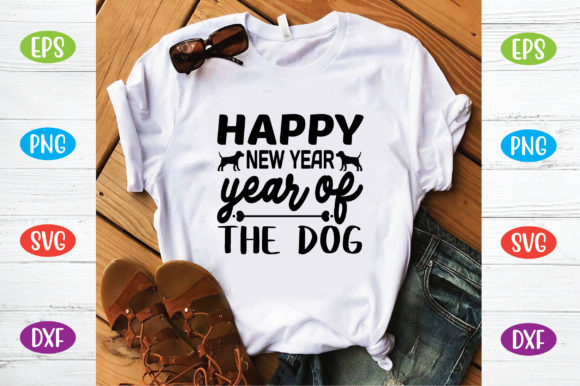
When Happy New Year Year of the Dog landed in my inbox, I opened it not as a buyer—but as someone who’s stitched hundreds of holiday and zodiac-themed designs onto everything from baby onesies to boutique aprons. My first impression? It’s warm, approachable, and intentionally uncluttered—no frantic swirls or overdesigned borders. The layout balances a friendly dog silhouette (not overly cartoonish, not too stylized) with clean, legible lettering that reads well at 3–4 inches wide. It feels like a design made for real hands—not just digital previews. That matters when you’re planning a batch of embroidered tote bags for a local farmers’ market or stitching personalized sweatshirts for a small shop’s Lunar New Year pop-up.
Where This Design Truly Shines
Happy New Year Year of the Dog works beautifully as a machine embroidery design for mid-to-large format items where clarity and charm matter more than micro-detail. I recently used a version of this concept on a set of linen tea towels for a kitchenware client—and the result felt cohesive, festive, and quietly sophisticated. It translated just as well onto a heavyweight cotton sweatshirt, where the satin stitch elements held their shape without puckering, and the fill stitch areas stayed breathable. As a tote bag design, it anchors the front panel without overwhelming the fabric. On baby embroidery projects—think organic cotton onesies or burp cloths—it softens nicely with muted thread colors and avoids sharp angles that could irritate delicate skin.
For embroidered patch applications, the design scales cleanly down to 2.5 inches while retaining legibility. And because it leans into positive, inclusive energy—not niche symbolism or inside jokes—it fits comfortably across age groups and genders, which aligns well with the product description noting use “for men, women, kids.” That versatility makes it a smart pick for Etsy sellers building seasonal collections or craft fair vendors needing one design that pulls double duty across apparel and home goods.
Real-World Embroidery Considerations
That said, Happy New Year Year of the Dog isn’t magic—it responds honestly to your choices. On textured fabrics like terry cloth or bouclé, I recommend simplifying the lettering layer or switching to a running stitch outline instead of dense satin. On stretchy knits, skip the tight fill stitches around the dog’s ears unless you’re using cutaway stabilizer and a ballpoint needle. For dark fabric, test contrast early: some versions of this graphic rely on subtle gradients or thin outlines that vanish without careful thread color selection. And if you're stitching on curved surfaces—like caps or toddler beanies—plan for slight distortion in the bottom curve of the text; a quick digitizing tweak (slight arch adjustment) pays off in professionalism.
I also advise checking how the design handles small hoop sizes before committing to production. While it’s not an ultra-dense applique design, tighter corners and fine lettering can challenge sub-4-inch hoops—especially on lightweight fabrics. Always run a test on scrap fabric first, especially if you’re offering this as a personalized gift or listing it as a digital embroidery file for other makers.
What It Adds—And What It Doesn’t Promise
This isn’t a high-detail, multi-layered zodiac emblem. It won’t wow at 10x zoom. But it *does* deliver strong visual appeal at conversational distance—the sweet spot for most custom apparel and handmade product use. Customers notice it, smile, and remember it—not because it shouts, but because it feels intentional and kind. That builds trust, especially for small business owners curating thoughtful, non-generic holiday offerings. When stitched cleanly, it elevates a plain sweatshirt into a collectible item. When paired with quality fabric and balanced thread tones, it reads as premium—even if your price point stays accessible.
It also supports brand consistency beautifully. Whether you’re selling under your own label or creating assets for a boutique’s private collection, Happy New Year Year of the Dog holds its own alongside minimalist logos or earthy color palettes. No clashing energy. No forced festivity. Just quiet, confident celebration.
Practical Notes Every Embroidery Designer Should Keep Handy
- Test before you commit: Run a full-stitch sample on fabric matching your final project—same weight, same stretch, same dye lot if possible.
- Check stitch density: Dense fills may require topping with tear-away or floating stabilizer on lightweight cotton or rayon blends.
- Review small details: Tiny eyes or narrow letter strokes can disappear on low-thread-count fabric—consider slightly bolding those elements digitally if needed.
- Mock it both ways: Preview the embroidery file in black-and-white mockups to assess contrast and balance, especially for dark or printed backgrounds.
- Confirm licensing: Since this is marketed as a graphics download for cutting machines, verify whether the license permits commercial embroidery use or resale of finished items—don’t assume.
- Stabilizer strategy matters: For structured items like patches or cap fronts, pair with medium-cutaway; for soft baby items, try lightweight fusible + tear-away combo.
Final Thought: A Thoughtful Tool, Not a Trend Chaser
Happy New Year Year of the Dog won’t replace your go-to monogram or signature logo—but it fills a specific, valuable gap: joyful, culturally resonant, and commercially flexible holiday embroidery. It’s the kind of design asset that works quietly behind the scenes to make a finished product feel considered, personal, and ready for gifting. Whether you're prepping for Lunar New Year orders, building a seasonal craft business catalog, or simply choosing a design that reflects care—not just calendar dates—it earns its place in your working library. Just remember: great embroidery starts with honest evaluation, not hype. Stitch it right, and it’ll speak for itself.