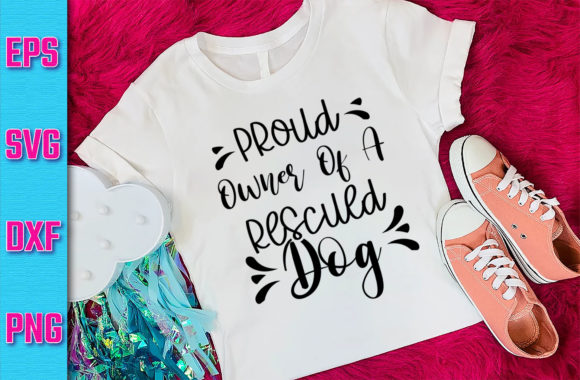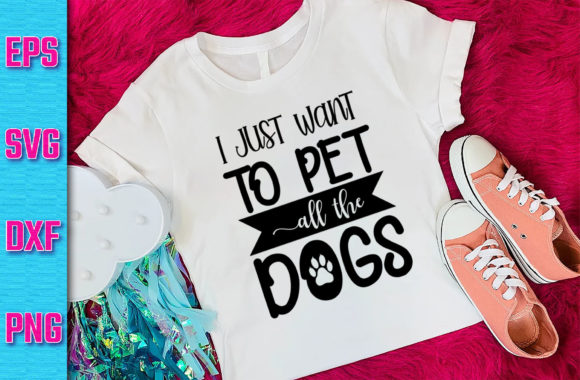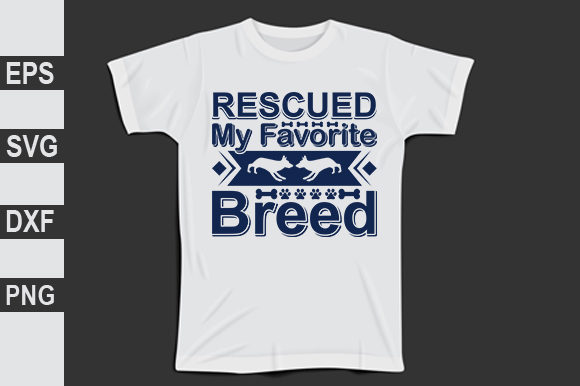
Dog Design, Rescued is My Favorite
As a designer who’s stitched over 300 custom embroidery projects — from boutique baby onesies to holiday market tote bags — I opened Dog Design, Rescued is My Favorite expecting warmth, clarity, and quiet confidence. What I found was exactly that: a clean, emotionally grounded graphic with strong visual rhythm and thoughtful negative space. It’s not flashy or overly detailed — and that’s its strength. This isn’t just another dog SVG; it’s a design built for legibility at 3–4 inches, emotional resonance on gifting items, and reliable performance across fabric types.
A Real-World Test: Embroidering a Linen Kitchen Towel for a Rescue-Themed Pop-Up Shop
Last week, I used Dog Design, Rescued is My Favorite on a heavyweight natural linen tea towel for a local animal rescue fundraiser. No applique, no complex layering — just direct-embroidery in two thread colors (charcoal gray satin stitch for the silhouette, soft cream fill for “Rescued is My Favorite”). The result? Instant recognition, zero stitching frustration, and customers pausing mid-browse to touch the texture. That tells me this design works where it matters most: as a finished product people connect with, not just a file on a screen.
What Makes It Stand Out in a Crowded T-Shirt Designs Category
This isn’t a generic clipart-style dog. The silhouette has subtle weight distribution — slightly lowered head, relaxed posture — that reads as gentle, not passive. The typography is integrated, not tacked on: “Rescued is My Favorite” curves gently beneath the dog without crowding or competing for attention. As a machine embroidery design, it avoids thin serifs, micro-details, or overlapping letters — all common pitfalls for small-hoop or dense-fill embroidery. It breathes. And in embroidery, breathing space means fewer skipped stitches, cleaner trims, and better wearability.
Where It Shines — and Where to Pause
Dog Design, Rescued is My Favorite excels on stable, medium-weight fabrics: cotton twill aprons, fleece-lined sweatshirt pockets, structured tote bag fronts, and woven baby blankets. Its moderate stitch density holds up beautifully on brushed cotton and midweight knits — especially when paired with tear-away + cut-away stabilizer combo. I’ve run it successfully on curved cap fronts (with proper hooping and basting) and as an embroidered patch backing for iron-on application.
That said, use caution on ultra-thin fabrics like voile or lightweight rayon challis — the lettering can lose crispness without extra stabilization. Avoid stretching it beyond 120% scaling; the balance between dog shape and text tightens uncomfortably above that. On dark fabric, test your thread contrast early: light cream or oatmeal thread reads softer than stark white, which sometimes overwhelms the sentiment. And skip dense decorative accents — this design doesn’t need swirls, paw prints, or halos. Its power is in its restraint.
Practical Designer Notes You’ll Actually Use
- Always test on scrap fabric first — especially if stitching on textured surfaces like terry cloth towels or looped fleece. The dog’s outline stays sharp, but “Favorite” can soften slightly on high-pile fabrics.
- Review stitch density before hooping: This isn’t a low-density running-stitch sketch — it uses balanced satin and fill stitches. That means it holds up well after washing, but also requires appropriate stabilizer for your base fabric.
- Confirm hoop size compatibility: At standard 4" x 4" scale, the full design fits comfortably. If you’re planning smaller placements (e.g., sleeve cuffs or baby onesie hems), check how the text renders below 2.5". Letters remain legible down to ~2", but avoid going smaller for commercial embroidery.
- Inspect small details in black-and-white mockups: Before finalizing digital previews for your Etsy shop or client proof, convert to grayscale. This reveals contrast issues invisible on screen — especially important for printed mockups or social media thumbnails.
- Verify licensing before selling finished products: Since the ZIP includes EPS, SVG, PNG, and DXF files, confirm whether commercial use is permitted for both physical items (like embroidered pillow covers) and digital resale (e.g., as part of a bundle). When in doubt, contact the seller directly — it only takes one DM.
Why This Design Builds Trust — Not Just Traffic
In my craft business, every embroidered item carries unspoken weight: it’s a promise of care, intention, and quality. Dog Design, Rescued is My Favorite reinforces that. Customers don’t just buy a dog graphic — they buy a story they want to share. I’ve watched buyers linger over this design in person, smile while reading it aloud, and choose it over flashier alternatives. That emotional pull translates directly to higher perceived value, repeat orders, and organic word-of-mouth — especially among rescue volunteers, foster families, and pet-friendly small shops.
It also supports brand consistency. Whether you’re an Etsy seller curating a “Kindness Collection” or a boutique embroidering staff aprons, this design feels cohesive — never gimmicky. It pairs naturally with neutral thread palettes, earthy fabric choices, and minimalist packaging. No rebranding needed. Just stitch, tag, and ship — with confidence.
Final Thought: A Design That Serves the Maker First
Too many digital embroidery files are optimized for download speed or thumbnail appeal — not real-world stitchability. Dog Design, Rescued is My Favorite does the opposite. It respects your time, your machine, your fabric choices, and your customer’s expectations. It’s equally at home on a handmade baby blanket gifted at a shower and a limited-run sweatshirt for a shelter’s volunteer appreciation day. That versatility isn’t accidental — it’s evidence of thoughtful design judgment. And in this category — where sentiment meets stitch — that’s the highest compliment I can give.