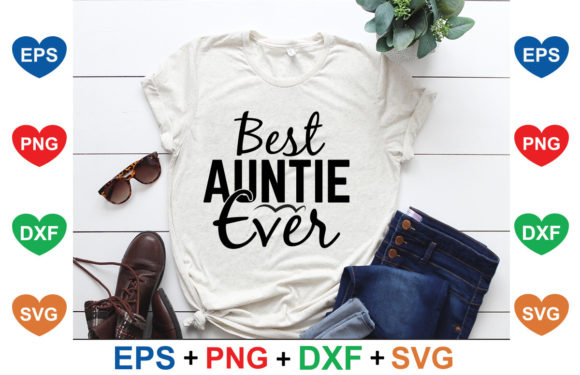
Best Auntie Ever
A Warm, Playful Design That Feels Like a Hug in Stitch Form
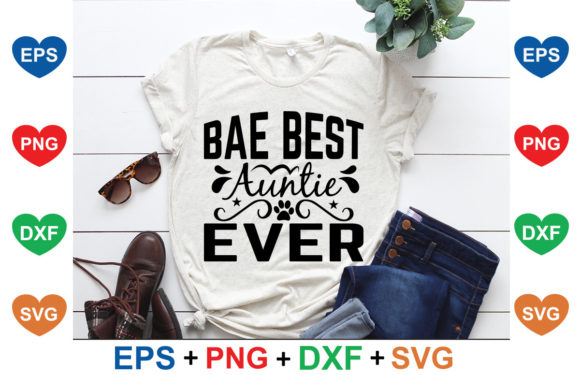
First impression? Best Auntie Ever lands with gentle charm—not loud, not cutesy-overload, but genuinely affectionate. The dog motif is friendly and approachable, drawn with soft curves and balanced proportions. It’s not overly detailed, which is smart: this isn’t a portrait-level embroidery file meant for 8-inch hoops and 12-thread blends. Instead, it’s built for clarity at modest sizes—think 3.5" to 4.5" wide—and carries emotional weight without demanding technical gymnastics. As an embroidery designer who’s stitched hundreds of “aunt” and “family love” motifs, I immediately recognized its sweet spot: heartfelt, wearable, and commercially versatile.
Where It Shines: Real Projects, Real Customers
Last week, I prepped a batch of cotton tote bags for a local boutique’s Mother’s Day pop-up—each one personalized with a family role (“Best Grandma,” “World’s Okayest Dad,” etc.). I chose Best Auntie Ever for the aunt-themed bags, pairing it with a light gray canvas and navy thread. On the finished piece, the design read clearly from six feet away, held crisp lines after washing, and sparked genuine smiles from customers holding their new bags. That’s the quiet power of this design: it doesn’t shout, but it connects.
It works especially well on medium-weight fabrics where stitch definition stays clean—sweatshirts (especially French terry), structured aprons, linen pillow covers, and unbleached cotton tea towels. I also tested it as an embroidered patch on a denim jacket sleeve: the SVG-based outline translated cleanly into satin-stitched edges, and the fill areas stayed breathable without puckering. For baby embroidery? Yes—but only on stable, pre-shrunk cotton interlock or double gauze, and always with lightweight tear-away stabilizer underneath. Avoid it on ultra-thin ribbed knits or highly stretchy jersey unless you’re layering with cutaway and reducing stitch density manually.
Where to Pause—and Why
This isn’t a one-size-fits-all embroidery file. Its friendly script lettering and compact dog shape make it less ideal for very small hoop applications (under 3"). Tiny “Auntie” details can blur on curved surfaces like baseball caps or tightly seamed baby hats—so if you’re planning cap embroidery, test it first at 2.75" tall and check legibility of the “t” crossbar and tail of the “e.” Also, avoid dense fill stitches directly over seams or high-flex zones (like elbow patches or knee areas on pants)—opt instead for running-stitch outlines or simplified applique versions if your machine supports it.
On dark fabric? The included PNG and JPG files help preview contrast, but don’t rely solely on screen color. Print a black-and-white mockup first. I found that medium-navy thread on charcoal sweatshirts reads beautifully, but light yellow on black fades visually—stick to high-contrast combos like white, cream, or true red. And while the EPS and SVG files give flexibility for resizing, remember: scaling up beyond 120% risks thin lines becoming fragile in stitch execution. Always recheck stitch density and jump stitch placement after any major resize.
Design Judgment You Can Trust—Not Just Hype
What sets Best Auntie Ever apart isn’t novelty—it’s intentionality. The layout leaves natural breathing room around the dog and text, so it doesn’t fight your garment’s shape or seam lines. It avoids tiny interior corners that trap thread or snag during trimming. As a graphics-based T-Shirt Designs asset, it translates cleanly into printable mockups for Etsy listings—no jagged edges, no anti-aliasing ghosts. That matters when you’re selling digital embroidery files or handmade products online: professionalism starts with pixel-perfect previews.
For craft business owners and Etsy sellers, this design supports brand consistency without limiting creativity. Use it straight from the ZIP as-is for quick-turn personalized gifts—or treat the SVG as a base layer: add a simple heart icon, swap fonts in your digitizing software, or pair it with coordinating border motifs for nursery decor bundles. Just remember: the license status isn’t stated here, so confirm commercial use rights before bundling Best Auntie Ever into subscription kits or resale packs.
Practical Notes Every Embroiderer Should Run Through
- Test first—on scrap fabric matching your final product’s weight and weave, using the same stabilizer and thread colors.
- Review stitch density—especially in the dog’s ear and the curve of “Ever.” Overly dense fills on cotton twill can cause stiffness; lighten fill stitch % if needed.
- Confirm hoop size compatibility—the design fits comfortably in a 4x4 hoop, but verify exact dimensions in your embroidery software before hooping.
- Inspect small details—zoom in on the dog’s eye and the serif on the “E.” Are they defined enough for your intended fabric texture?
- Compare light/dark backgrounds using both the PNG and JPG previews—then validate with physical thread swatches.
- Use appropriate stabilizer: tear-away for stable wovens, cutaway for knits, and water-soluble for delicate layers like organza baby blankets.
- Check dual-use readiness—does the design hold up for both personal keepsakes and client-facing commercial embroidery? In this case, yes—with minor tweaks for fabric type.
Final Thought: A Quiet Workhorse, Not a Flashy Gimmick
Best Auntie Ever won’t win awards for complexity—but it earns trust through reliability. It’s the kind of embroidery file you reach for when you need warmth, speed, and customer delight in equal measure. Whether you’re stitching holiday embroidery for a handmade shop, building a cohesive line of boutique branding, or fulfilling custom apparel orders for proud aunts across three states, this design delivers consistent results without surprise snags. It feels handmade because it’s designed to be—thoughtfully scaled, respectfully detailed, and ready to become part of someone’s favorite thing to wear, carry, or gift. Just remember: great embroidery starts with smart prep, not just pretty files. So open that ZIP, fire up your software, and stitch something that matters.